Stage 1 of 7 · Call
Bali Medevac: one call, bed to bed.
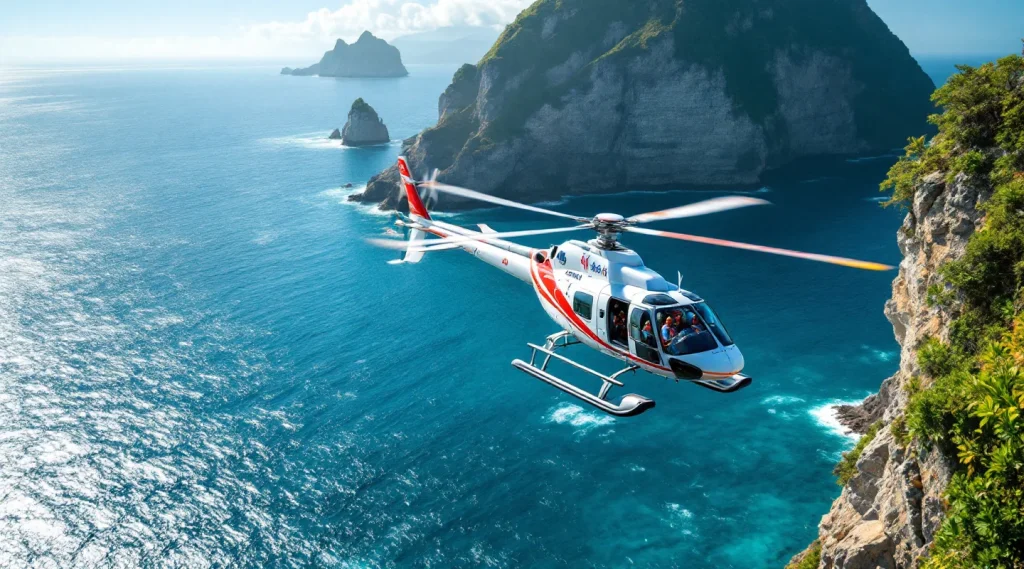
A private coordination desk that takes a medical transfer from the first call to the receiving bed. It briefs you, opens the hospital and insurer files, and arranges licensed helicopter, fast-boat, ground-ambulance and air-ambulance partners across Bali, the islands and the flights home.
Scope, stated plainly. Bali Medevac is an independent coordination desk of Juara Holding Group. It does not own aircraft, boats or ambulances, is not a hospital, insurer or medical provider, and gives no medical advice. Every movement is carried out by licensed operators and hospitals. Leg times and cost are quoted by the desk once the licensed operator confirms; nothing on this page is a promise of minutes or price.

Stage 2 · Brief · lane: You → The Desk
The 60-Second Brief
Six taps prepare your first call. You get the lit pathway for this case, the exact questions the desk will ask, a document list, and a copyable brief that opens WhatsApp or a phone call. No price, no minute promise: every case is quoted once the licensed operator confirms.
Your pathway
- Pick the six answers above. The stages for your case appear here, with the lane each one sits in.
What the desk will ask on the first call
- The list depends on who is calling. It is short on purpose.
Documents to have near you
- Passport, insurance card or policy, and a next-of-kin contact cover most first calls.
Your brief to the desk
Answer the six questions and the brief is written for you.
No fixed price, no minute promise: every case is quoted.
Stage 4 · Dispatch · lane: Transport partner
Island → Bali legs
Six origins the desk works from, the Bali entry points it usually routes to, the modes it can arrange through licensed partners, and the dependencies that decide which mode is possible. Times are quoted by the operator per case, so no minutes are printed here. As of 2026.
| Origin | Usual Bali entry point | Modes the desk can arrange | Dependency flags | Leg time |
|---|---|---|---|---|
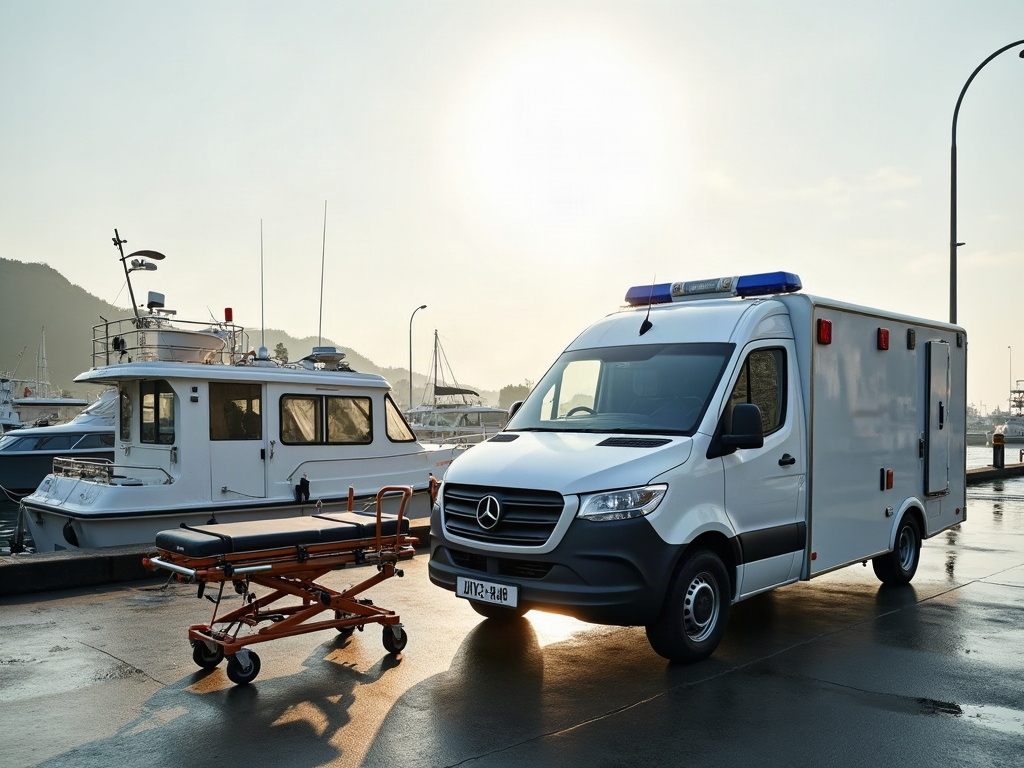
| Nusa Penida / Lembongan | Sanur, Kusamba or Padang Bai harbour, then ground ambulance; helicopter direct to a Bali landing site in daylight | Fast boat + ground ambulance; helicopter with licensed operator (cliff sites such as Kelingking have no formal helipad) | Daylight (helicopter)Sea state (boat)Operator confirmation | Time quoted by operator |
| Gili Trawangan / Air / Meno | Padang Bai, Serangan or Benoa by sea; direct helicopter in daylight | Boat transfer (the lower-cost route for Gili Trawangan cases); licensed medical helicopter with stretcher, medical team and equipment | Daylight (helicopter)Sea state (boat)Operator confirmation | Time quoted by operator |
| Lombok (Praya airport / Senggigi) | Ngurah Rai by air; Padang Bai by sea | Short-hop helicopter; combined ground-and-boat transfer; fixed-wing when the case needs it | Daylight (helicopter)Hospital bed confirmed firstOperator confirmation | Time quoted by operator |
| Sumba (Tambolaka / Waingapu) | Ngurah Rai, staged from Tambolaka (TMC) or Waingapu (WGP) airstrip | Fixed-wing air ambulance; local district hospital stabilises first; no confirmed dedicated helicopter operator on this leg | Airstrip and weatherOperator confirmation | Time quoted by operator |
| Labuan Bajo / Flores | Ngurah Rai, staged from Komodo Airport (LBJ) | Fixed-wing air ambulance or charter on the established Komodo air corridor; helicopter for short legs in daylight | Daylight (helicopter)WeatherOperator confirmation | Time quoted by operator |
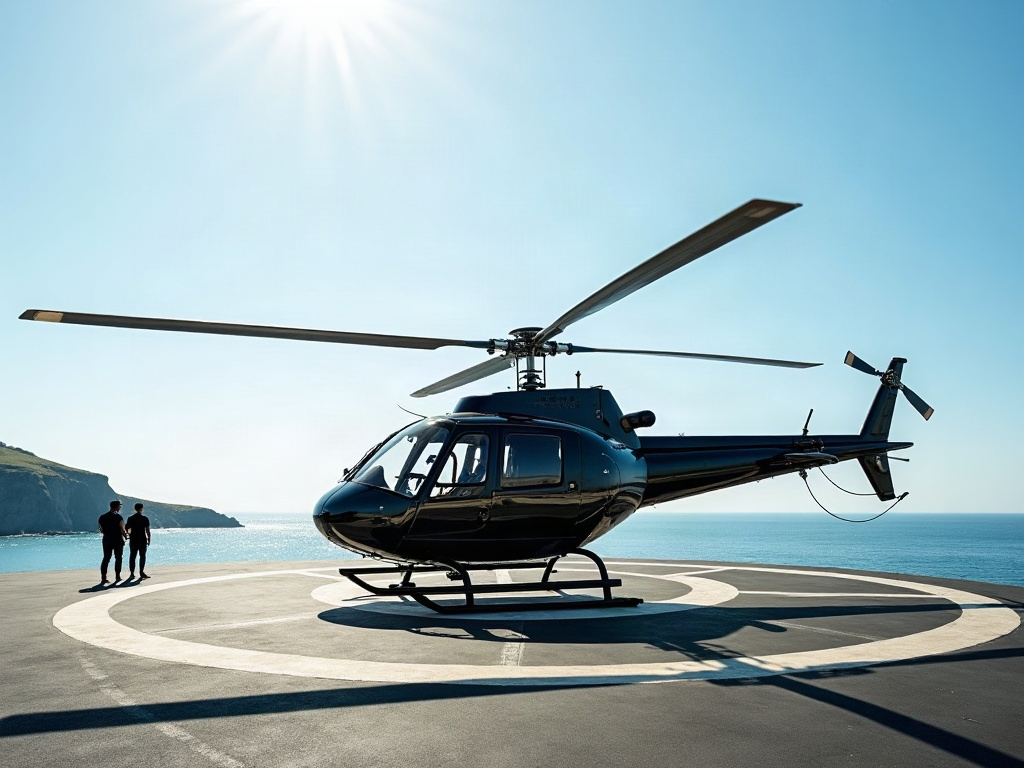
| Bali mainland regions | Nearest suitable hospital by road; Ubud, Uluwatu and clifftop sites route by ground after sunset | Private ground ambulance; helicopter only where a landing zone is pre-identified and in daylight | Road access and time of dayLanding zone pre-identified | Time quoted by operator |
Indonesian aviation rules currently require helicopter operations to end at sunset, so island incidents after dark default to boat, ground or overnight stabilisation. Entry points are the ones the desk usually works to; the licensed operator decides the actual routing.
Stage 7 · Repatriation · lane: Transport partner + Hospital + Insurer
Bali → Home lanes
Five destinations the desk handles from Denpasar, the indicative flight time from public planning figures, the repatriation formats, and who actually signs off. Indicative planning figures as of 2026, not a live schedule.
| Destination | Approx. flight time from Denpasar | Repatriation formats | Who signs off | Document set |
|---|---|---|---|---|
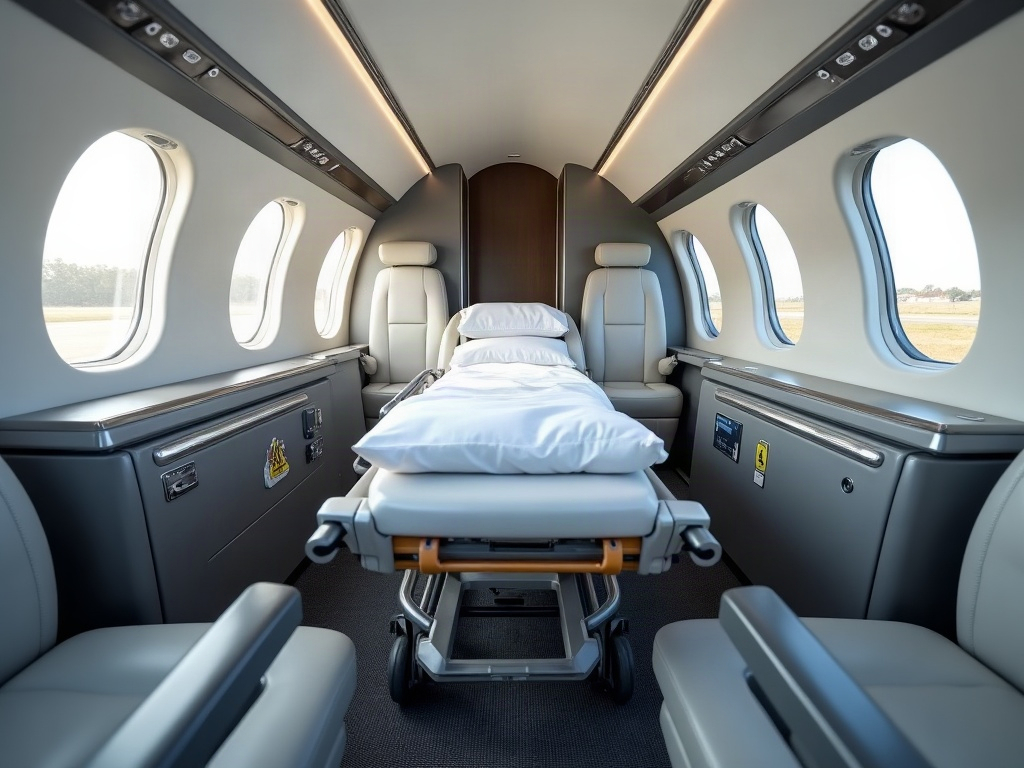
| Singapore (Seletar or Changi) | approx. 2h 40m block time | Dedicated ICU-configured air ambulance; commercial flight with medical escort for stable patients; commercial stretcher with airline medical clearance | Airline medical desk (MEDIF); operator's medical director; receiving hospital accepts the patient | Passport, insurance policy or guarantee of payment, hospital summary, next-of-kin contact |
| Jakarta | roughly two hours, direct and domestic | Commercial stretcher with medical escort; air ambulance case by case; no cross-border customs medical clearance | Airline medical desk; receiving hospital; insurer if in-network | ID or passport, insurer reference, hospital summary |
| Perth | 3–3.5 hours, often non-stop | Turboprop or light-jet air ambulance; commercial stretcher or seated medical escort where the airline clears it | Receiving hospital in Australia must accept; airline medical desk; operator's medical director | Passport, insurance policy, hospital summary, next-of-kin contact |
| Darwin | 2.5–3 hours, often non-stop | Turboprop or light-jet air ambulance; commercial stretcher with airline clearance | Receiving hospital; airline medical desk; operator's medical director | Passport, insurance policy, hospital summary, next-of-kin contact |
| Sydney | 6–6.5 hours, may need a fuel stop | Mid-size jet air ambulance; commercial stretcher on a direct service where cleared | Receiving specialist unit; airline medical desk; operator's medical director | Passport, insurance policy, hospital summary, next-of-kin contact |
Formats and sign-off steps are taken from the desk's commercial stretcher repatriation page. The airline's medical desk and the operator decide; the desk prepares the file.
All seven stages · every lane
Handover chart: who does what
The honesty spine of the desk. Service scope only, no medical content. A 2024 academic review of Indonesian air medical evacuation describes coordination as a three-way link between the airport health office (KKP), the destination hospital and the insurer; the desk sits between you and those three.
| Stage | You | The Desk | Transport partner | Hospital | Insurer / assistance |
|---|---|---|---|---|---|
| 1 · Call | Call or message with location, what you can see, and a callback number | Answers, opens the case file, confirms who is on scene | — | — | — |
| 2 · Brief | Answer the short ask-list; share a pin, passport availability, insurer reference if any | Triages feasibility: daylight, weather window, mobility, which hospital has a bed | Receives the desk's feasibility request | Receives the bed enquiry | Receives the case notification if a reference exists |
| 3 · Quote & authorisation | Confirm the written quote; pay if self-funded | Collects the operator quote and sends it in writing; chases the guarantee of payment | Holds crew and aircraft, boat or ambulance pending authorisation | Confirms the bed and the accepting team | Issues a guarantee of payment or declines; the desk opens the file if nobody has yet |
| 4 · Dispatch | Keep the phone on; prepare access to the patient | Confirms dispatch, shares the rendezvous or landing point, notifies the hospital | Moves the patient: licensed helicopter, fast boat, ground ambulance or fixed-wing | Prepares reception | Logged on progress |
| 5 · Handover | Hand over documents and next-of-kin contact | Confirms the handover happened and to whom | Crew hands the patient to the receiving team | Receiving team takes over | — |
| 6 · Receiving bed | Stay reachable for the hospital and insurer | Closes the transfer leg; shares the ward contact with the family | Stands down | Admits; issues the summary if repatriation follows | Confirms coverage of admission where it applies |
| 7 · Aftercare or repatriation | Decide with the treating team whether to fly home; confirm the written quote | Builds the repatriation file: MEDIF, seats or stretcher, escort, receiving hospital | Air ambulance, or airline stretcher and medical escort once cleared | Provides the medical summary and fit-to-fly statement | Authorises the format and the receiving hospital |
Full narrative on the Bali medical evacuation process page. The desk arranges and follows; licensed operators and hospitals act.
Before stage 1 · lane: You + The Desk
Standby plan register
What a property or vessel pre-registers with the desk so the first call is shorter. No prices here and no response-time promise; a standby plan is a coordination arrangement, not a medical service.
How a standby plan works| Client | What the plan records | Review |
|---|---|---|
| Villa | GPS pin and gate or access notes (many Bali properties sit down unmarked lanes); a guest-profile template held by the household; preferred hospital on file; insurer contact; nearest usable open area as surveyed by the operator | Refreshed when the household, guest profile or access changes |
| Resort | Pin and staff contact tree; first-call number for duty staff; preferred hospital; landing zone pre-identified in daylight by the operator; ground route after sunset | Refreshed with each season's duty roster |
| Yacht | Captain and agent contacts; usual anchorages and tender jetty; guest medical-information forms held on board; insurer or assistance contact; preferred hospital | Refreshed per charter or itinerary change |
| Dive operator | Boat names and marine radio contact; departure harbour (Padang Bai, Serangan, Sanur or Gili ports); nearest clinic on the route; insurer or DAN-type membership references held by guests | Refreshed when boats, routes or crew change |
Stage 3 · Quote & authorisation · lane: The Desk
Cost reference
Every case is quoted. There is no fixed price on this site.
Public reference, cited as published and with no guarantee from the desk: a 2026 Bali hospital guide places Bali-to-Singapore or Bali-to-Australia medevac at USD 50,000–150,000 overall, and a commercial flight with medical escort for stable patients at USD 5,000–15,000. A 2026 Komodo-area medical guide prices air ambulance Labuan Bajo to Bali at about USD 10,000–20,000. Bands move with aircraft, crew, fuel stops and the receiving hospital; the desk sends the operator's written quote for your case.
Money routes · grouped by pathway stage
Every route the desk arranges
Island → Bali
Bali → Home
Desk services
Resources
Questions the desk answers first
Is Bali Medevac a hospital, an insurer or a helicopter operator?
None of those. It is an independent coordination desk of Juara Holding Group that arranges transfers through vetted licensed operators, hospitals and ambulance providers. It owns no aircraft, boats or ambulances and gives no medical advice.
Can a helicopter fly from Nusa Penida or the Gili islands at night?
Not under current rules. Indonesian aviation regulations require helicopter operations to end at sunset, so a case reported after dark defaults to a fast boat, ground ambulance or overnight stabilisation at the nearest capable clinic.
What does the desk need on the first call?
Where the patient is (a pin, not just an address), what you can see about mobility, who is with them, whether an insurer or assistance company is already involved, whether a passport is at hand, and the best callback number. The 60-Second Brief above writes this for you.
Who pays, and does the desk quote a price?
Travel insurers, assistance companies, employers or the family pay, depending on the policy and the case. The desk collects the operator's quote and sends it in writing; it never publishes a fixed price. Public reference bands appear on the route pages, dated and attributed.
Air ambulance or commercial stretcher for the flight home?
The treating team, the airline's medical desk and the operator decide. A stable patient who can tolerate cabin pressure may be cleared for a commercial stretcher or escorted seat; a critical patient goes by dedicated air ambulance. The desk prepares both files so the decision is not delayed.
Does BPJS cover an air ambulance abroad?
BPJS does not fund air-ambulance evacuation abroad, and domestic policies usually exclude foreign evacuation. Check the policy wording before travel; the desk can open the insurer file with you if nobody has yet.
Stage 1 · Call · lane: You
Reach the desk
For a live case, WhatsApp or call. For a written quote or a standby plan, email or use the form. The desk replies from one number and one address; there are no other contact channels.
No fixed price, no minute promise: every case is quoted.